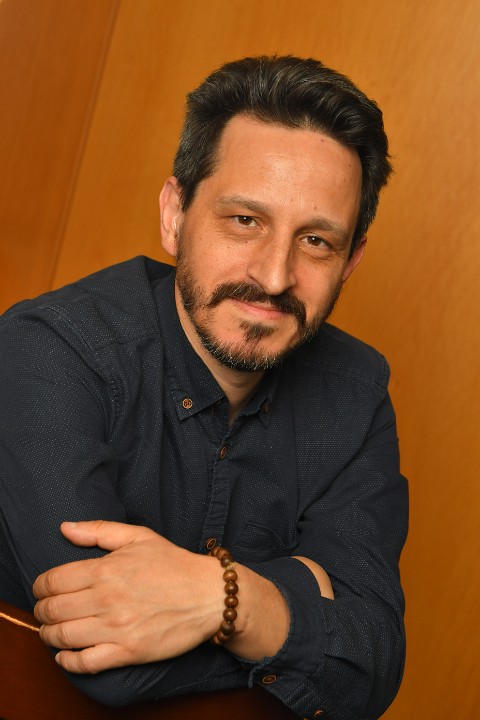
Welcome to my website! My name is Gilberto Fernandes. I am an academic, public, and digital historian, curator, community archivist, and documentary filmmaker based in Toronto. My public scholarship and digital humanities have focused largely on Portuguese diaspora, migration, ethnicity and race in North America; the construction industry, its technologies and building trade unions; heritage, public diplomacy, and propaganda; the history of Toronto, and other intersecting topics. I am the author of Militants, Mobsters and Mavericks: The Men Who Built Modern Toronto in the 1960s-70s (Lorimer, 2025), and This Pilgrim Nation: The Making of the Portuguese Diaspora in North America (University of Toronto Press, 2019), and multiple scholarly articles. I am also the co-founder and lead director of the Portuguese Canadian History Project, the City Builders: a History of Immigrant Construction Workers in Postwar Toronto – winner of the 2019 Lieutenant Governor of Ontario’s Heritage Award for Excellence in Conservation – the Movimento Perpétuo: The Portuguese Diaspora in Canada, and Laborem Ex Machina: A History of Heavy Construction Machinery and Operating Engineers in Canada. I am currently a contract faculty member in the Department of History at York University, Toronto, Canada.
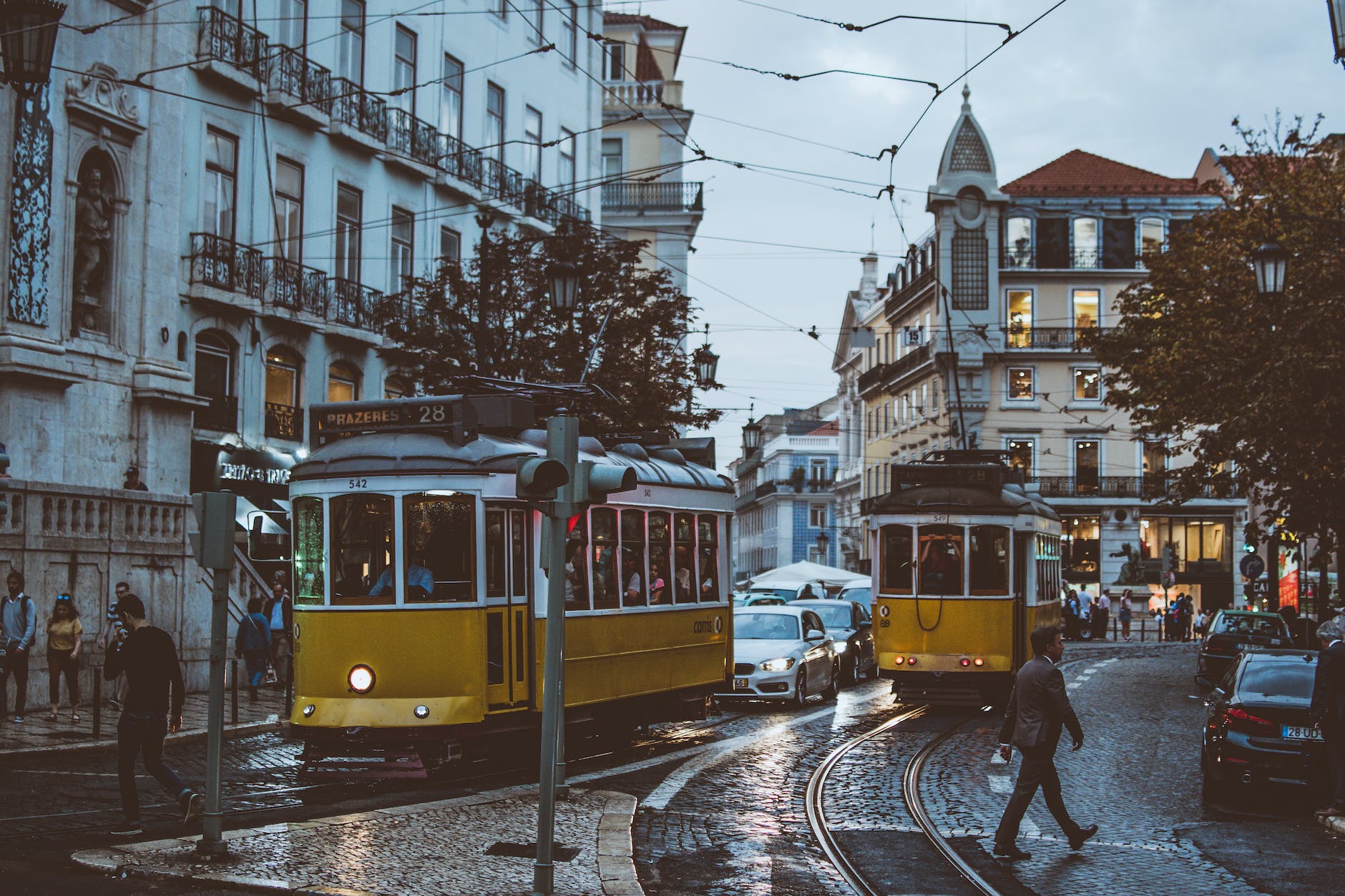
It is hard to say where my interest in history comes from but I know it has something to do having grown in Lisbon, Portugal. There, public memory is everywhere; the past is sovereign and the present its prince, and the writing of history is always either a coup or a barricade. It is no coincidence that so many of its political actors have been professional historians. Growing up in the first generation after the Carnations Revolution of April 25th, 1974, which rid Portugal of an authoritarian and colonialist regime that asserted its legitimacy on the nation’s “glorious past,” I learned to appreciate history as a fundamental venue for engaged citizenship, where power is reconstructed and challenged by way of public memory. In other words, I play for the historien engagé or active history team.
Whatever its provenance, my interest in history is fuelled by my love of story-telling and writing. Though governed by disciplinary canons, elaborate methodologies, and scholarly principles, good historical research demands a healthy dose of creativity and imagination. Not the imagination of the bard but of the detective, meticulously piecing together fragmented data, finding threads in seemingly disparate evidence, bridging gaps on the tracks with parallel clues, trying to understand what the world may have looked like from another person’s eyes, in a different time, place, and set of circumstances. At the same time, historians must maintain critical distance from their subjects in order to carry out sound analysis, connect with the larger picture, and recognize their own personal biases. Besides developing exceptional research, time-management, and problem-solving skills, along with a remarkable capacity for critical and independent thinking, self-discipline, self-direction, and educated intuition, good historians also need to be great oral and written communicators to synthesize large quantities of information into intelligible parcels of knowledge that can be shared with various publics.

My intellectual interest in migration started with my own experience of moving to Canada, one that displaced, challenged, and redefined me in multiple ways. It made me grow into two separate vines that I have intertwined around a single identity. By removing me from the places and faces that I once took for granted, it instantly turned me into an “old man,” as it forced me to hold on to a lifetime of memories uprooted from their context. The more I studied the topic, the more I became engrossed in the many tropes associated with it and the concepts used to probe them. Like countless individuals, families, and even nations for whom migration is a fodder for individual and collective narratives, I am fascinated by its rich human stories. Of particular interest to me are the narratives of Portuguese migration over time, as told by those who stayed, those who left, and those who governed them.
Besides living and studying transnational lives, I dedicate much of my time to working on local community initiatives in Toronto, many of them public education or knowledge mobilization projects. My research and community work is informed by social justice and equity principles, which I apply in my efforts to democratize access to historical knowledge. Created in January 2014, this website is another way to make my research and public history work available to a wider audience.
Feel free to contact me using the message box below. Thank you for your visit.
 Gilberto Fernandes
Leave a comment